 Most Secure Key Lock, CAM Lock, ATM Lock, Vending Machine Lock Manufacturer – MAKE LOCK Company

The advent of passive electronic locks has established a significant new branch within the field of locking mechanisms. As the market evolves, these locks have increasingly become a preferred choice among procurement professionals. So, what exactly is a passive electronic lock? And what makes it the new favorite in the security sector? Below, drawing upon MAKE’s series of passive electronic locks, we will explore these questions together.
The Design Concept of Passive Electronic Locks
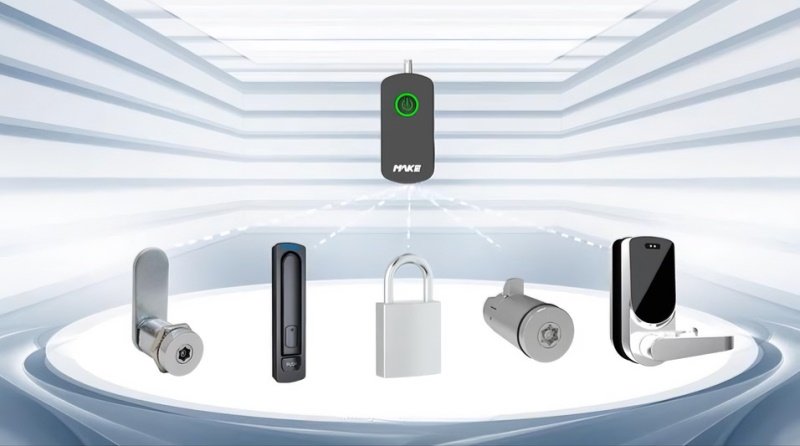
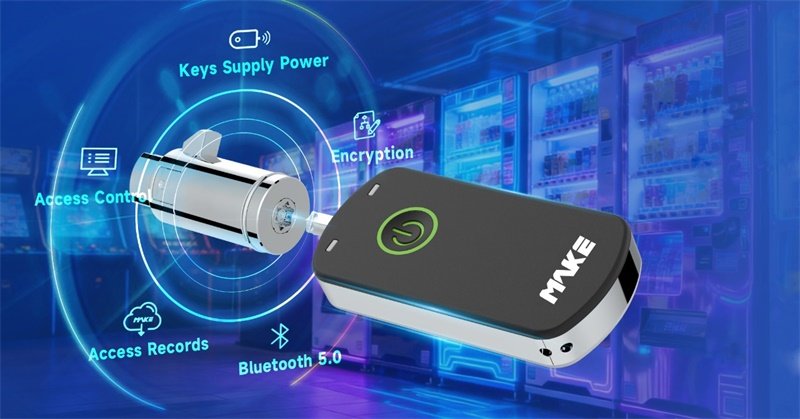
A passive electronic lock is a type of locking device that requires neither an external power supply nor an internal battery. Instead, it shifts the power source to the electronic key; the key supplies the necessary power to the lock body to facilitate unlocking. This operating principle is one of the key distinctions between passive and active electronic locks.
Features and Advantages of Passive Electronic Locks
Passive electronic locks eliminate the need for power cabling, offering simple installation and high compatibility. They do not require frequent battery replacements, thereby reducing maintenance costs. The electronic keys can be recharged via a charging cable, ensuring a long-lasting power supply. Furthermore, when integrated with a cloud-based management platform, these systems enable multi-tasking capabilities—including granting access permissions, scheduling access times, and retrieving lock/unlock logs. They effectively resolve the inherent challenges associated with active locks, such as high circuit failure rates, the need for frequent post-installation maintenance, limited battery capacity (and rapid depletion), and difficulties in management.
Types and Application Scenarios of Passive Electronic Locks
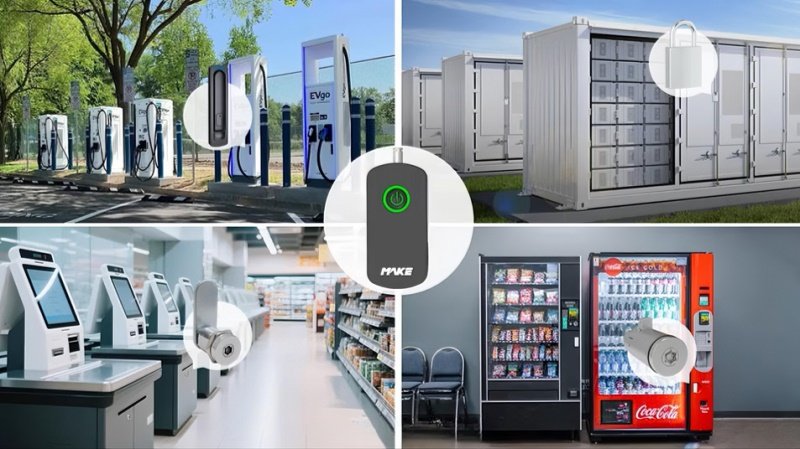
Common types of passive electronic locks include passive cam locks, passive bolt locks, and passive padlocks. These devices are widely deployed across sectors such as financial terminals, smart terminals, and smart city infrastructure, serving as robust security guardians for equipment such as smart ATMs, vending machines, power distribution cabinets, and EV charging stations.
Even across diverse scenarios utilizing different types of passive electronic locks, a single electronic key can manage them all—facilitating a comprehensive, intelligent upgrade across all aspects of corporate operations, maintenance, and management.
In summary, a locking mechanism is more than just a security tool; it serves as an invaluable aid in the effective management of equipment, personnel, and keys.