 Most Secure Key Lock, CAM Lock, ATM Lock, Vending Machine Lock Manufacturer – MAKE LOCK Company

After the advent of passive electronic locks, they have gradually replaced some traditional active electronic locks, becoming the new favorite of many buyers and widely used in industries such as smart terminals, financial terminals, electromechanical equipment, and cabinets.
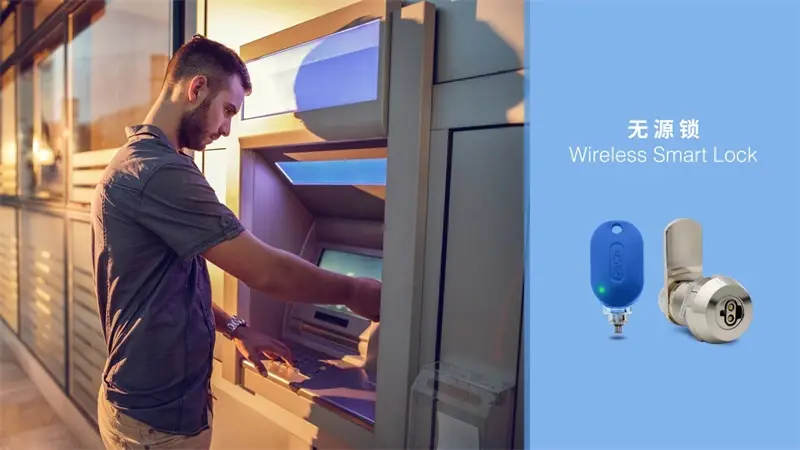
It is a new and important branch in the field of electronic locks. How does it differ from traditional active electronic locks? The following table compares the two in five aspects to help you quickly understand.
| Lock
Difference |
Passive electronic lock | Active electronic lock |
| Power supply mode | No need for built-in battery or external power supply, powered by electronic key | Powered by dry battery, lithium battery, external power supply, etc |
| Unlocking methods | Passive electronic key | Password, RFID card, NFC, Fingerprint, Palm vein, Facial Recognition, Iris |
| Management precision | capable of unlocking multiple locks with a single key
It features multiple permission management options, such as permanent and time-limited The operation is auditable, with unlocking records automatically recorded and uploadable to the platform, enabling anytime viewing |
Access control typically requires manual intervention; some high-end products support tiered access control |
| Maintenance cost | No need to replace the battery, supports battery charging
No wire wear, low failure rate |
Battery needs to be replaced regularly
Power cords are prone to aging |
| Installation difficulty | No wiring required, easy to install | Lock structure is complex, installation is relatively cumbersome |
Overall, passive electronic locks are neither electrified nor require electricity. By transferring the necessary operating power of the electronic lock to the electronic key, a series of inherent challenges of traditional electronic locks are addressed, such as difficulty in management; low battery power, exhaustion, and frequent maintenance; complex structure, low generalization and standardization; and high failure rate.
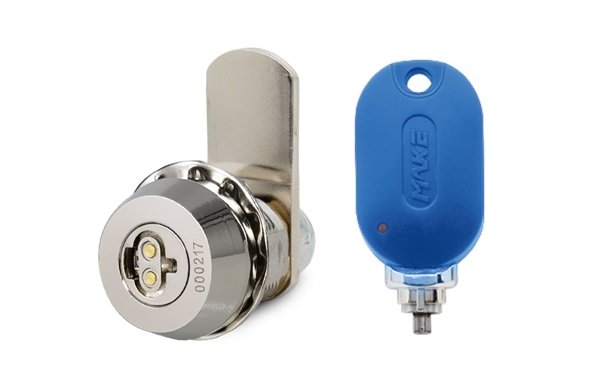
The M5, independently developed by MAKE, meets the aforementioned characteristics and functions of a passive electronic lock. The lock is secure, reliable, efficient in management, and durable. It won the “Supreme Golden Hook Award” at the 6th China Lock and Craft Equipment Design Competition, jointly organized by the China Hardware Products Association and the China Industrial Design Association, making it a trustworthy choice for buyers.